The Azores are one of the best places in the world to see whales and dolphins. Deep ocean starts just off the coast, sperm whales and dolphins live here all year, and in spring the blue and fin whales pass by on their migration. This guide compares the islands with whale-watching trips, explains when to go and what you can see, and shows where to learn about the islands’ whaling past.
The short answer
- Best islands: São Miguel for the most trips, Pico and Faial for sperm whales and whaling history. Terceira and São Jorge have trips too.
- When: all year, best from April to October. April and May are the months for blue and fin whales.
- How long: about 3 hours at sea.
- Chances: very good. Lookouts on land spot the animals and guide the boats, and many companies offer another trip if you see none.
Where to go
The best islands for whale watching
| Island | Boats leave from | Best for |
|---|---|---|
| São Miguel | Ponta Delgada, Vila Franca do Campo | The most trips, blue whales in spring |
| Pico | Lajes do Pico, Madalena | Sperm whales close to the coast, whaling museums |
| Faial | Horta | The channel towards Pico, a lively marina |
| Terceira | Angra do Heroísmo | A trip from the UNESCO town |
| São Jorge | Velas | Small groups, fewer boats |

Eastern group · The most trips
São Miguel
More whale-watching companies than any other island, most with kiosks at the marina in Ponta Delgada and a few in Vila Franca do Campo. Sperm whales and dolphins are seen all year, and in spring the waters between São Miguel and Santa Maria are among the best in the Azores for blue whales. Go out in the morning and spend the afternoon in the city.

Central group · The whalers’ island
Pico
The heart of Azorean whaling, and still one of the best places to see sperm whales: the sea floor drops away fast off the south coast, and the whales hunt close to the island. Trips leave from Lajes do Pico, the old whaling village where some of the first whale-watching trips in the Azores began, and from Madalena. Add the whaling museums in Lajes and São Roque.

Central group · The sailors’ island
Faial
Boats leave from the marina in Horta, the famous stop for yachts crossing the Atlantic, and cover the same rich waters as Pico, often in the channel between the two islands, with the mountain as a backdrop. After the trip, see the old whale factory at Porto Pim and the scrimshaw collection at Peter Café Sport.
Central group · History and the sea
Terceira
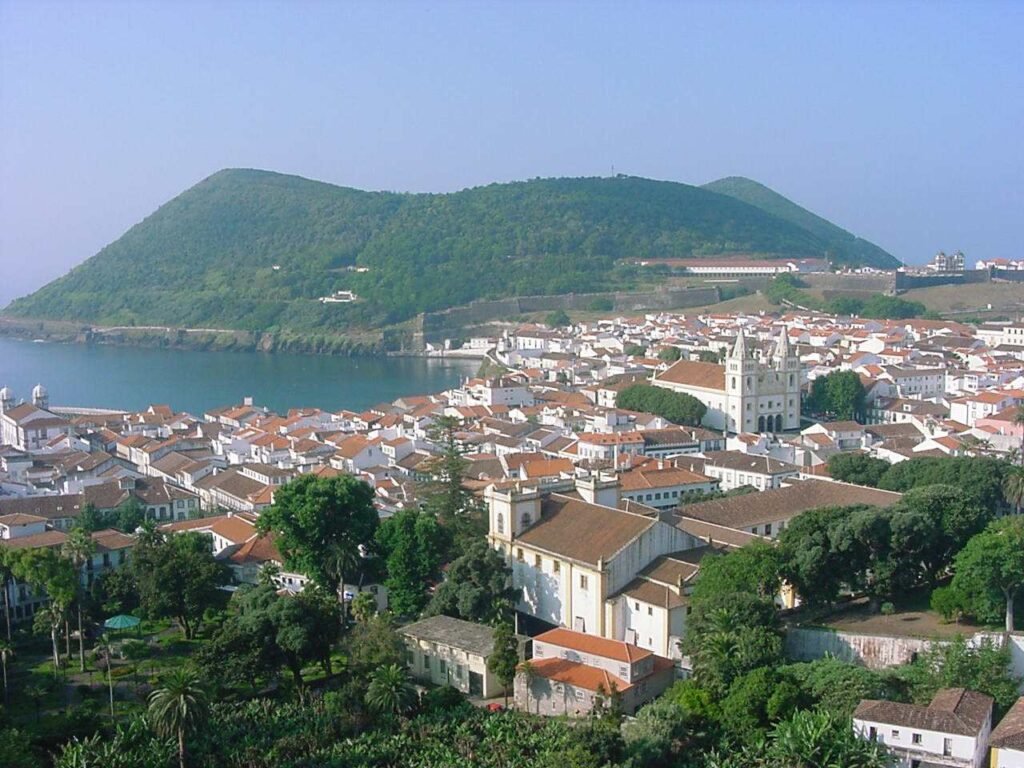
Trips leave from the marina in Angra do Heroísmo, guided by a lookout on Monte Brasil, the old volcano next to the town. Sperm whales and common and bottlenose dolphins are seen all year, spotted dolphins in summer. A morning at sea and an afternoon in the UNESCO-listed old town make a perfect day.

Central group · Quiet seas
São Jorge
A few small companies run trips from the marina in Velas, usually on fast rigid inflatables with a marine biologist on board. Groups are small and there are fewer boats around the animals. Some trips need a minimum number of people to go out, so book a day or two ahead.
Santa Maria, Graciosa, Flores and Corvo
There are no regular whale-watching trips on these islands. Santa Maria is known for diving with mobula rays in summer, and blue whales pass between it and São Miguel in spring. On Graciosa, dolphins are sometimes seen on dives and boat tours, and boat trips around Flores and across to Corvo often meet dolphins on the way. If whales are high on your list, plan a few days on São Miguel, Pico or Faial.
Season by season
The best time for whale watching in the Azores
| Season | What you are likely to see | Sea conditions |
|---|---|---|
| Spring (April–May) | Blue, fin and sei whales on migration, plus sperm whales and dolphins. The best time for the big whales | Changeable; some trips cancelled for wind |
| Summer (June–August) | Sperm whales, many dolphins, loggerhead turtles; the occasional pilot or beaked whale | Calmest seas, most trips |
| Autumn (September–October) | Sperm whales and dolphins, sometimes in large groups | Usually good, rougher towards the end |
| Winter (November–March) | Sperm whales and resident dolphins | Fewer trips, many days too rough to go out |
Book your trip early in your stay: if it is cancelled because of the weather, you still have days to try again. For the weather in each month, see the best time to visit the Azores.
Who lives here
Whales and dolphins in the Azores
More than 20 species of whales and dolphins have been recorded around the islands, about a quarter of all the species in the world.

- Sperm whale: the star of the Azores, seen all year. Groups of females and young live around the islands, and big males visit. They dive for up to an hour to hunt squid, then rest at the surface.
- Common dolphin: the most frequent sight, often in large groups that ride the bow wave.
- Bottlenose and Risso’s dolphins: residents too. Risso’s dolphins are grey and covered in white scars.
- Atlantic spotted and striped dolphins: mostly in summer, when the water is warmer.
- Blue, fin and sei whales: the giants, passing mainly in April and May.
- Others: pilot whales, beaked whales, the occasional humpback or false killer whale, and loggerhead turtles in summer.
Fast or comfortable
Zodiac or catamaran?
Most islands offer two kinds of boat. Rigid inflatables (Zodiacs) are fast, bumpy and close to the water, with no shelter or toilet; they suit adventurous adults and usually have a minimum age. Catamarans and larger boats are slower, steadier and drier, with shelter and usually a toilet, and suit families and anyone prone to seasickness. On the smaller islands, the choice is often only a Zodiac.

From hunting to watching
The whaling history of the Azores
For more than a century, Azoreans hunted sperm whales from small open boats with hand-thrown harpoons. Spotters in clifftop lookouts, the vigias, watched for a spout and fired a rocket to call the men to the boats. The hunt ended in the 1980s, and today the same lookouts guide the whale-watching boats instead.

| Where | What to see |
|---|---|
| Museu dos Baleeiros, Lajes do Pico | Whaleboats, harpoons and scrimshaw in the old boat sheds of the whalers |
| Museu da Indústria Baleeira, São Roque do Pico | A whale-processing factory, with its machines and old photographs |
| Fábrica da Baleia de Porto Pim, Horta (Faial) | The old whale factory by the bay of Porto Pim |
| Whale Museum, Santa Cruz das Flores | An old whaling factory by the harbour, now a museum |
| Peter Café Sport, Horta (Faial) | A collection of scrimshaw, carved whale teeth and bone, above the famous sailors’ bar |
Check opening days before you go, as the smaller museums close on some weekdays and in winter.
Know before you go
Tips for whale watching in the Azores
- Book with a licensed company that has its own lookouts on land and a marine biologist or trained guide on board.
- Ask about the repeat policy: many companies offer another trip if you see no whales or dolphins.
- Take seasickness tablets before you go if you are at all prone to it.
- Dress in layers: it is windy and cool at sea even in summer. Bring a hat, sunglasses and sun cream.
- Book a few days ahead in summer, when trips sell out.
- Swimming with dolphins is possible on licensed trips from about May to October; swimming with whales is not allowed.
More planning: things to do in the Azores, where to stay on each island and the full Azores travel guide.
Questions
Whale watching in the Azores: FAQ
Which Azores island is best for whale watching?
São Miguel has the most trips and the easiest access. Pico and Faial are famous for sperm whales and have the best whaling museums. You will see whales and dolphins from any of them.
When is the best time for whale watching in the Azores?
From April to October. April and May are best for blue and fin whales; summer has the calmest seas and the most dolphins. Sperm whales are seen all year.
Can you see blue whales in the Azores?
Yes, mainly in April and May, when they pass the islands on their migration. Sightings are never certain, but spring trips have a real chance.
Are you guaranteed to see whales?
No trip can guarantee it, but the chances are very high thanks to the lookouts on land. Many companies offer another trip if you see no whales or dolphins.
How long is a whale-watching trip?
About 3 hours, including a short briefing on land.
Can you swim with whales in the Azores?
No. Swimming with whales is not allowed, but licensed companies run trips to swim with wild dolphins from about May to October.